Dance Forms
These are the Gujarati Traditional dance forms that are accessible on Kuldevi Cultural Academy. Choose an art form of your liking or explore a different strand of India’s heritage.
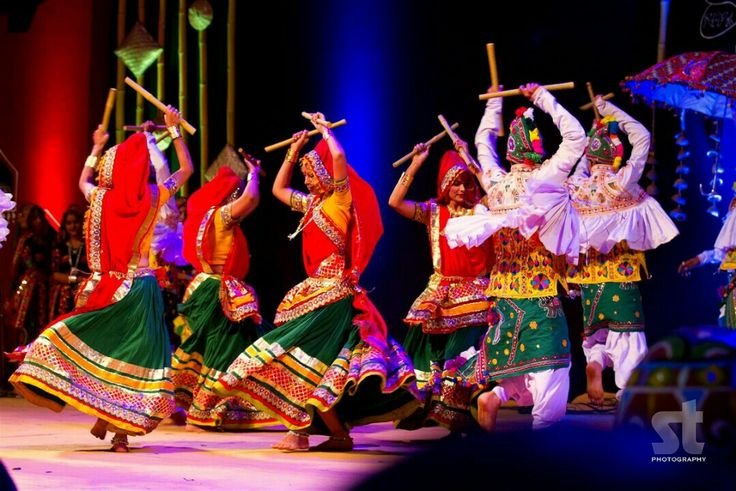
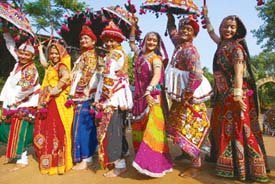
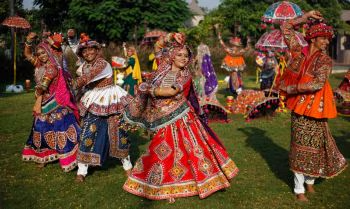
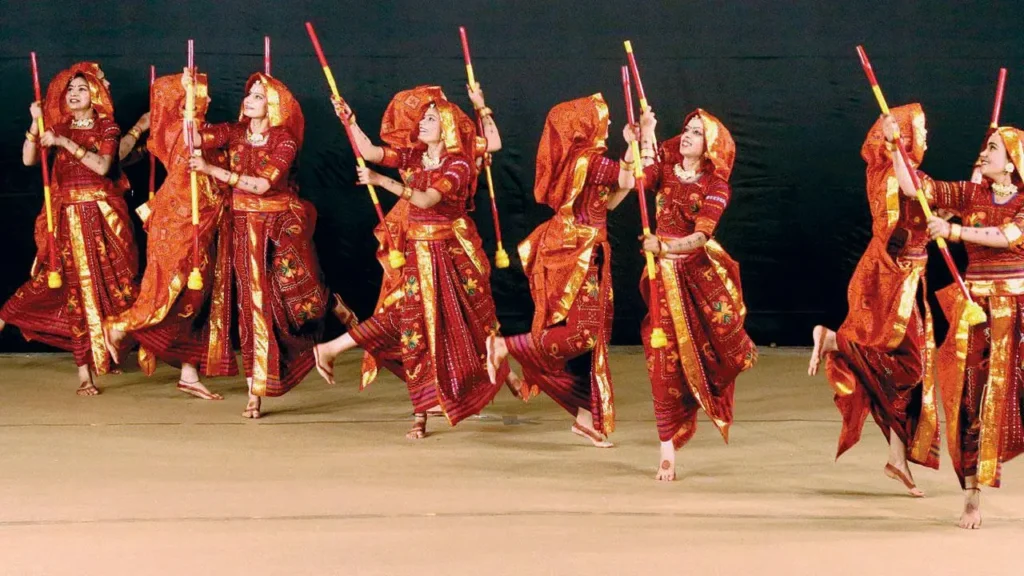
Dandiya Raas is a famous traditional folk dance of Gujarat. it is widely performed during the festival of Navratri.In this dance, performers use colorful wooden sticks called dandiya. Men and women dance together in pairs or groups. The dance is performed in circular formations with rhythmic steps. Dandiya Raas represents joy, energy, and celebration. The movements are fast, lively,and well coordinated.
Traditional folk music and Garba songs accompany the dance. Bright costumes add beauty and vibrancy to the performance. The dance symbolizes the victory of good over evil.It encourages social bonding and togetherness. Dandiya Raas reflects the rich cultural heritage of Gujarat.
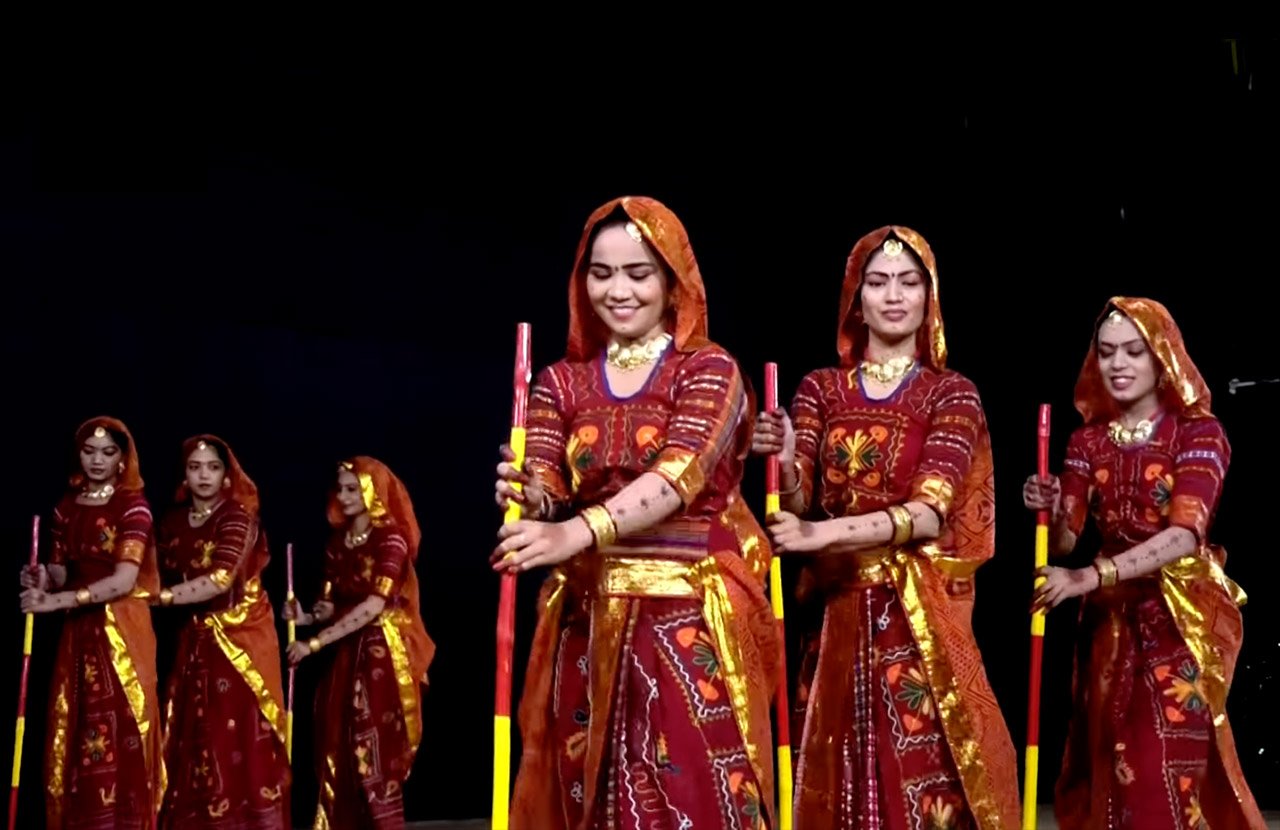
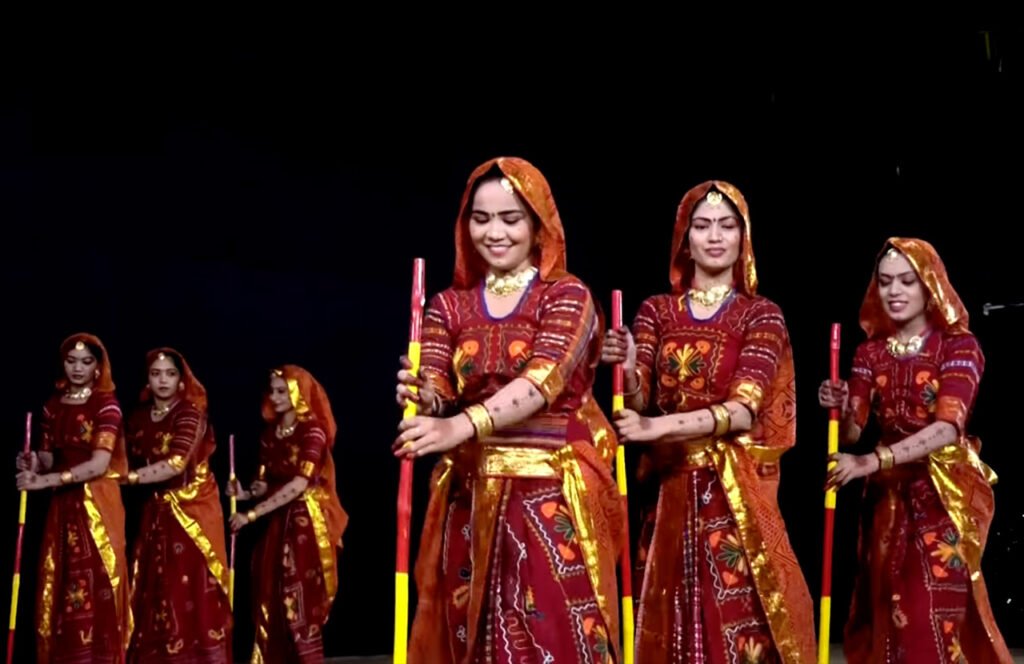
Tippani is a traditional folk dance of Gujarat.It is mainly performed by women in groups.In this dance, wooden sticks called tippani are used as props.The dance originated from daily work activities like pounding grains. Tippani is performed with rhythmic movements and coordinated steps. The dancers create beats by striking the tippani on the ground. Traditional folk songs accompany the performance. The dance shows teamwork and discipline. Movements are simple but very powerful and energetic. Colorful traditional costumes enhance the beauty of the dance. Tippani reflects rural life and women’s hard work. It represents the rich folk culture of Gujarat.
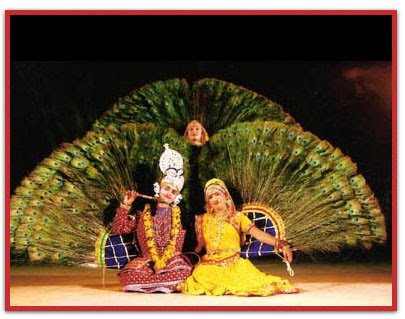
Dangi Nritya is a traditional folk dance from the Dangi region of Gujarat, India.
It is performed during festivals, weddings, and social celebrations.
The dance is known for its vibrant costumes, rhythmic movements, and group formations. Musical instruments like dhol and mridang accompany the performances.Dancers perform in circular formations, using expressive hand gestures and footwork. it is performed by both adults and children, often in groups on stage.Dangi Nritya reflects the culture, traditions, and stories of the Dangi community.It helps preserve cultural heritage and connects the younger generation with their roots.Overall, Dangi Nritya is a lively and colorful symbol of Dangi culture.
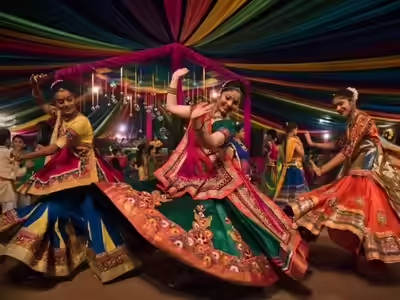
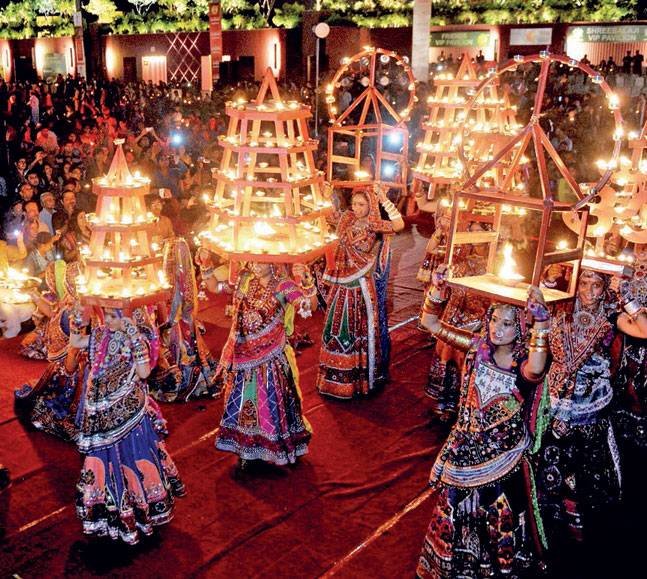
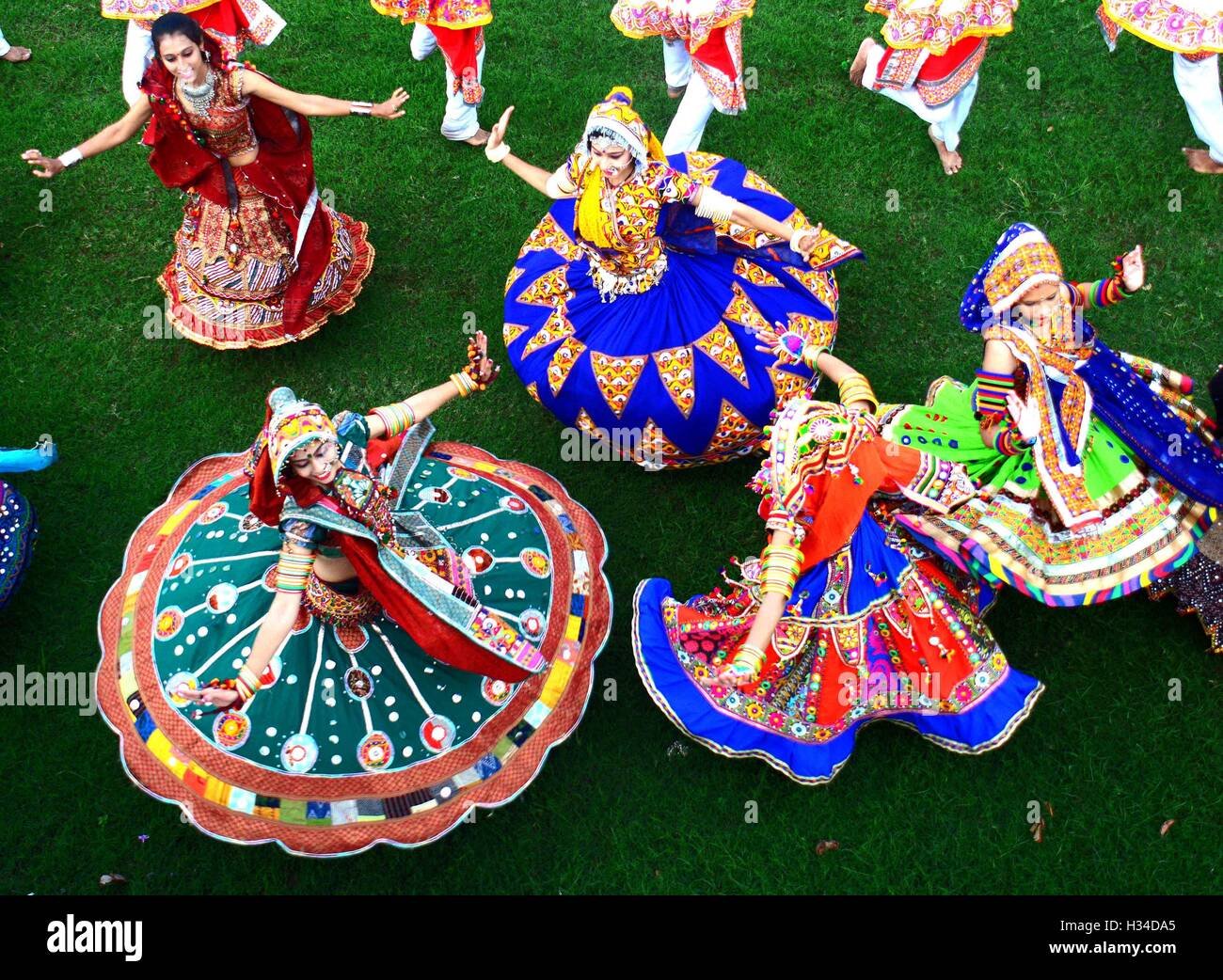
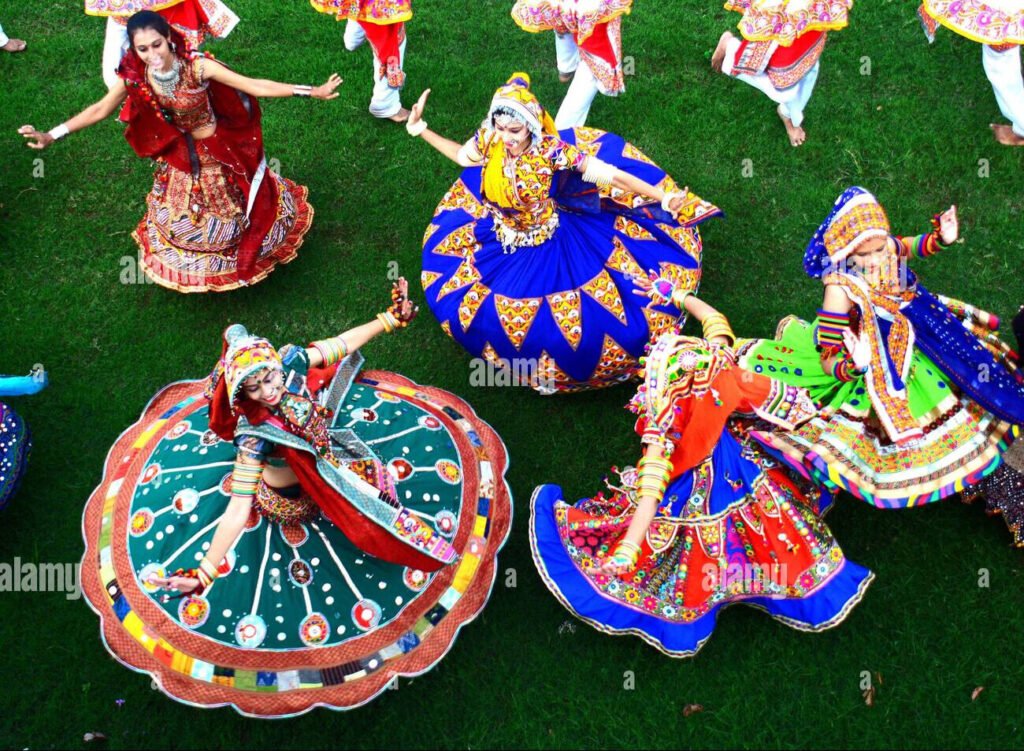
Garba is a traditional folk dance from Gujarat, India, performed during the Navratri festival .It is a circle dance, usually performed around a decorated clay lamp (garbha) symbolizing Goddess Durga. Dancers wear colorful traditional costumes with intricate embroidery and mirror work. The dance is accompanied by folk music, dhol, and other traditional instruments. Garba involves rhythmic clapping, coordinated steps, and circular movements. Both men and women actively participate, often in large groups. It is a symbol of joy, devotion, and cultural unity. Garba not only celebrates the victory of good over evil but also preserves Gujarati traditions. Overall, it is a vibrant and energetic dance form, loved across India and worldwide.

Hudo is a traditional folk dance of Gujarat.It is mainly performed by men from tribal communities.The dance is usually performed during festivals and social celebrations.Hudo is danced in a circular formation with strong and energetic movements.Powerful footwork is the main feature of this dance.Traditional drums and folk music create a fast rhythm.The dance shows strength, unity, and group coordination. Movements are simple but full of energy and enthusiasm.
Performers wear traditional tribal costumes. Hudo expresses joy, bravery, and community spirit. It reflects the lifestyle of tribal people. Hudo represents the rich cultural heritage of Gujarat.
Maniaro is a traditional folk dance of Gujarat, mainly performed by women.
This dance is closely connected with Garba and is popular during Navratri.
In Maniaro, women move gracefully in a circular formation with rhythmic steps.
The dance expresses happiness, devotion, and cultural unity.
Traditional music and clapping enhance the beauty of the performance.
Colorful costumes and energetic movements make Maniaro very attractive.
Maniaro represents respect for tradition and social bonding.
It is an important part of Gujarat’s folk culture and heritage.
Palljag Garbo is a traditional folk dance of Gujarat performed during Navratri.
It is mainly performed by women in a graceful and disciplined manner.In this dance, women hold the pallu of their saree while dancing. Palljag Garbo is performed in a circular formation. The movements of this dance are slow, soft, and expressive. It reflects devotion, respect, and cultural values. Traditional Garba songs create a peaceful rhythm. The dance shows unity and coordination among the performers. Simple steps make it suitable for group performances. Traditional costumes add elegance and beauty to the dance. Palljag Garbo represents the spiritual side of Garba. It is an important part of Gujarat’s folk culture andheritage.
Dodhiyo is a popular traditional folk dance of Gujarat. It is mainly performed by men during festivals and cultural events. The dance is known for its fast rhythm and powerful foot movements. Dodhiyo is usually performed in a circular formation. Dancers move forward and backward in perfect coordination.
Traditional folk songs and drum beats create high energy. The steps of Dodhiyo are simple but very strong and lively. This dance shows unity and discipline among the performers. Colorful traditional costumes make the dance more attractive.
Dodhiyo reflects courage, enthusiasm, and joy. It is commonly performed during Navratri celebrations. Dodhiyo is an important part of Gujarati folk culture.
Hincha Garbo, also known as Swing Garbo, is a traditional folk dance of Gujarat.
It is mainly performed by women during festivals like Navratri. In this dance, a decorated swing (hincha) is placed at the center. The dancers move gracefully around the swing in a circular formation.The dance is slow, rhythmic, and full of devotion. Traditional Garba songs create a calm and spiritualatmosphere. Hincha Garbo symbolizes joy, purity, and celebration of life.The swing represents childhood memories and cultural traditions.The steps are simple and elegant. Colorful traditional attire enhances the beauty of the performance. This dance shows unity and coordination among dancers. Hincha Garbo reflects the rich cultural heritage of Gujarat.
Gheraiya is a traditional folk dance of Gujarat performed mainly during Navratri.
It is usually performed by women as a form of Garba. The dance is known for its wide circular movements and graceful turns. Dancers move slowly at first and gradually increase the rhythm. Gheraiya emphasizes coordination and group unity. Traditional Garba songs and clapping guide the movements.
The steps are simple yet very elegant. Colorful chaniya choli and traditional jewelry add beauty to the dance. Gheraiya expresses devotion, joy, and cultural pride.The circular formation symbolizes unity and togetherness. This dance creates a lively and spiritual atmosphere. Gheraiya is an important part of Gujarati folk traditions.
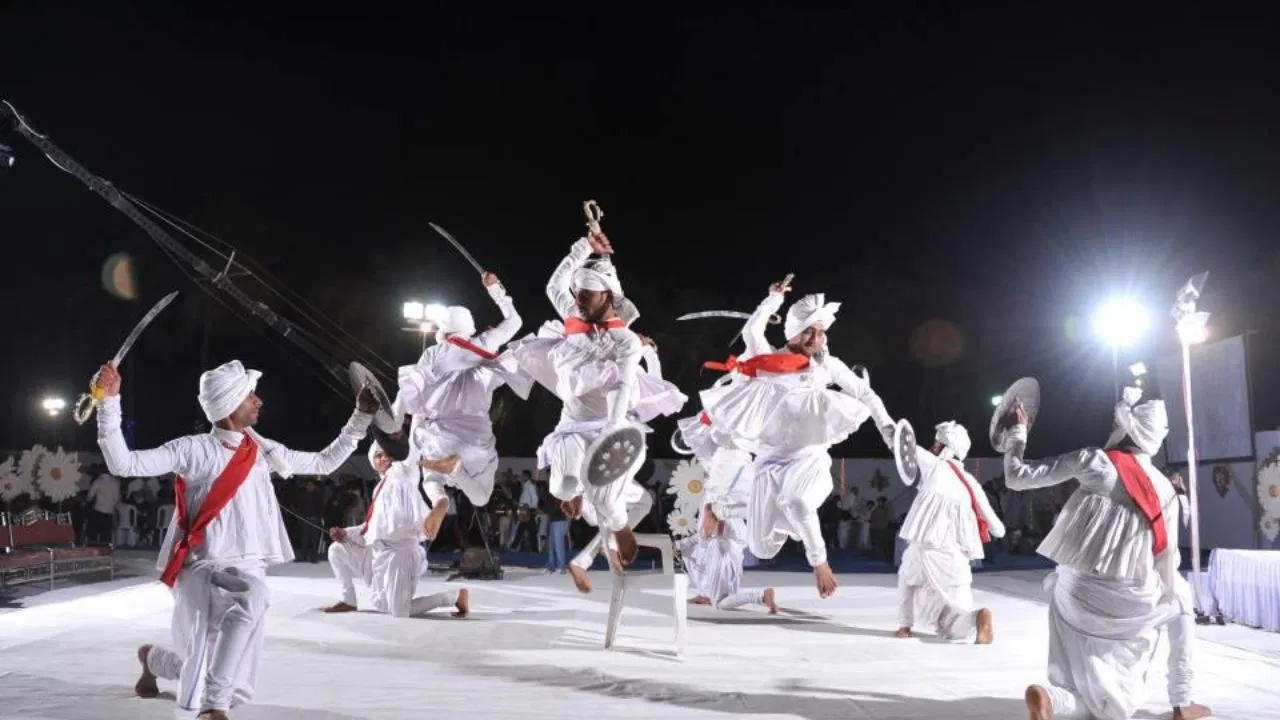
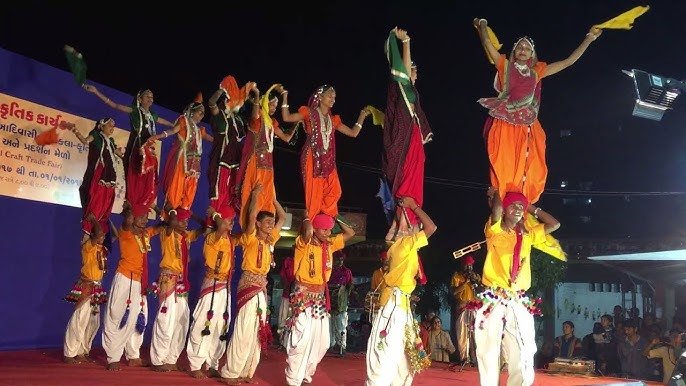
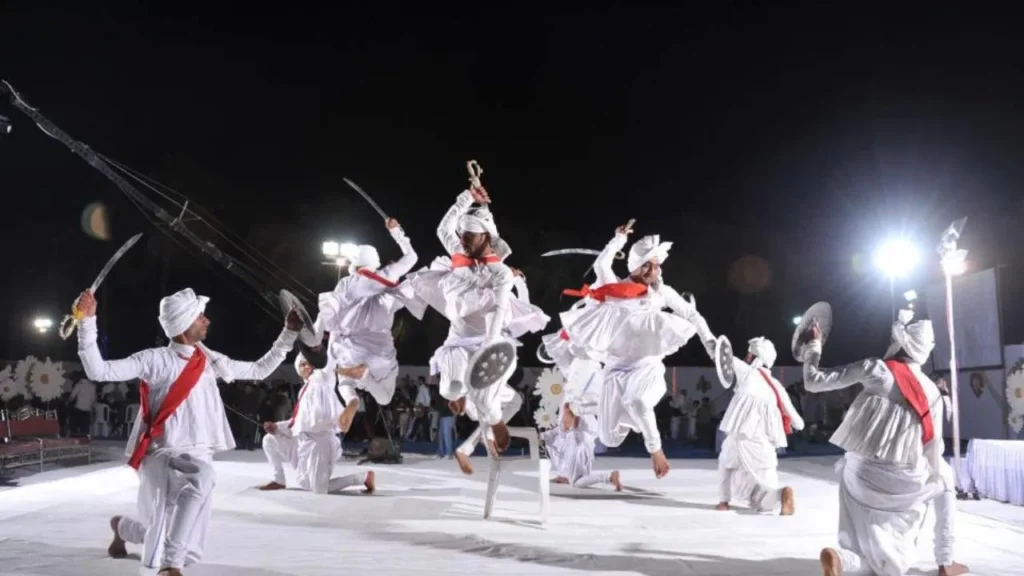
Mer Nritya is a traditional folk dance of Gujarat. It is mainly performed by the Mer community. This dance is usually performed by men during festivals and social celebrations. Mer Nritya is known for its strong, energetic, and rhythmic movements. The dance is performed in a group, often in a circular formation.
Fast footwork and coordinated steps are the main features of this dance.
Traditional drums and folk music add energy to the performance. The dance shows bravery, unity, and community spirit. Performers wear traditional costumes while dancing. Mer Nritya reflects the lifestyle and culture of the Mer community. It is a symbol of strength and togetherness. Mer Nritya represents the rich folk heritage of Gujara
Rathwa Nritya is a traditional folk dance of Gujarat. It is mainly performed by the Rathwa tribal community. This dance is usually performed during festivals and cultural celebrations. Rathwa Nritya is known for its simple, rhythmic, and energetic movements. The dance is performed in groups, often in a circular formation. Traditional drums, flutes, and folk songs accompany the dance.
The steps reflect daily life, nature, and tribal traditions. Both men and women take part in this dance. Traditional tribal costumes add color and charm to the performance. Rathwa Nritya expresses joy, unity, and devotion.
It reflects the close connection of the community with nature.
Rathwa Nritya represents the rich tribal culture of Gujarat.